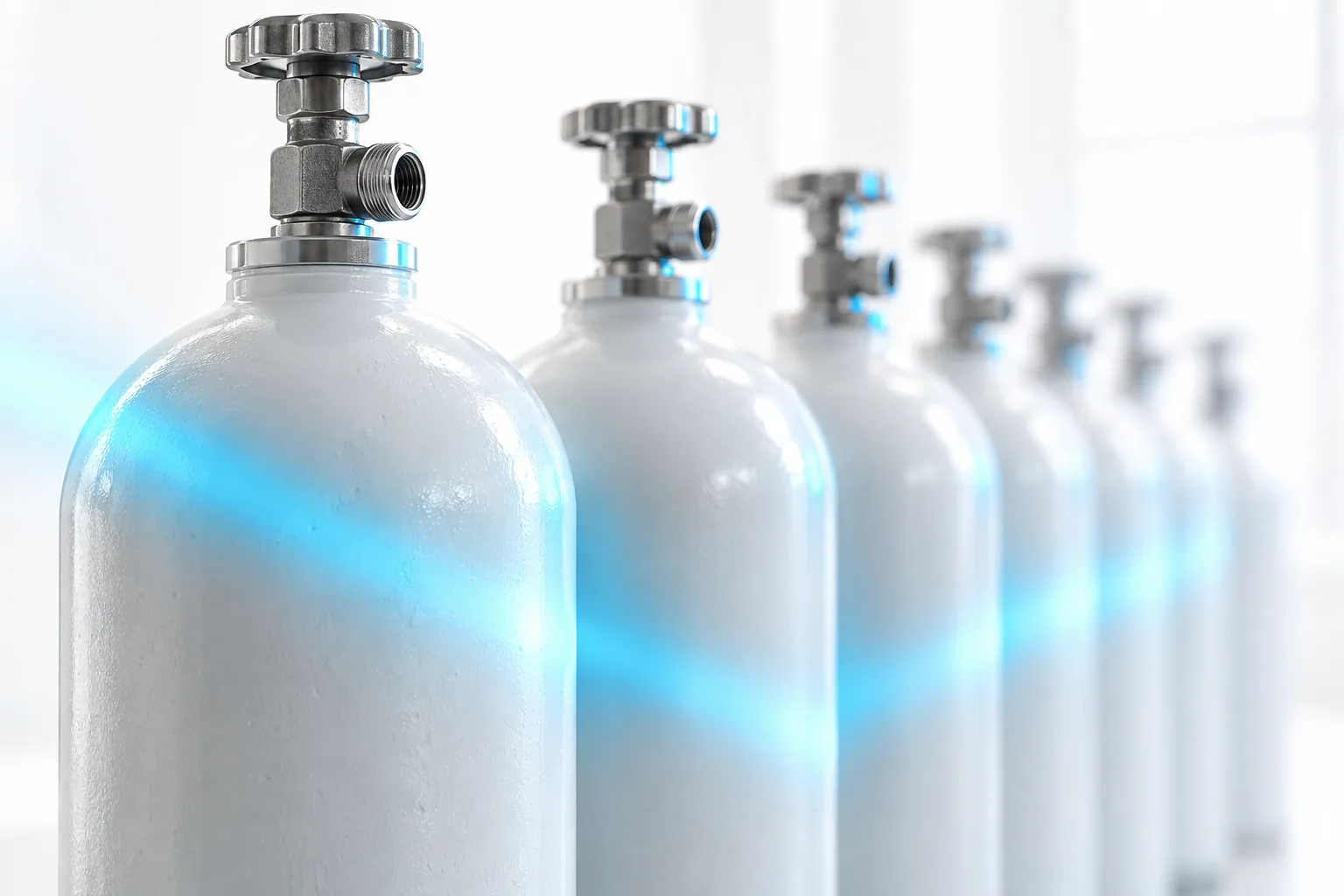
A liquid gas supplier keeps tanks at customer sites: cryogenic cylinders in workshops, vaporiser tanks at plants, storage tanks at hospitals. They need to be refilled on time, but usually the only way to learn the level is to ask the customer.
How it works without telemetry
The tanker drives on a schedule or on a call. On a schedule, it often arrives where there is still plenty of product and tops up a little. On a call, it goes where the tank is almost empty, and in a hurry. Both options cost money: extra trips, driver overtime and unhappy customers.
What telemetry gives
- level and pressure of all tanks at all customers are visible in one account;
- trips are planned to where the product is really running out;
- you can see how each tank consumes product and how much it loses to boil-off;
- customers get access only to their own tanks.
The tanker should go where a refill is needed, not where someone called from.
Where to start
Start with the tanks that most often run empty or require urgent trips. After a month of history it becomes clear how these customers consume product and how to rebuild refill routes.